The One Coaching Skill That Changes Everything
Phil Green
March 9, 2025
But the research is clear, young athletes who feel genuinely communicated with by their coaches stay in sport...

Ask any young athlete to describe their best coach and they'll rarely mention tactics first. They'll tell you about how that coach made them feel. Whether they felt heard. Whether they felt trusted. Whether they felt like more than just a player in a squad.
The most impactful coaches aren't always the most technically knowledgeable. They're the ones who have mastered the art of communication and who use it intentionally, every single session.
Most coach education focuses on the technical and tactical. How to run a session. How to develop a skill. How to build a game plan. All of it matters.
But the research is clear, young athletes who feel genuinely communicated with by their coaches stay in sport longer, perform better under pressure, and develop greater resilience. Not because they've been told what to do more effectively. Because they've felt understood.
Yet communication skills barely feature in most coaching qualifications. Coaches are expected to figure it out on their own, often learning through trial and error with real young athletes at real moments that matter.
SportMinds exists to change that.
The instinct when a young athlete struggles is to explain, advise, correct. But the most effective coaches ask first.
"What did you notice about that?" "How did that feel from your perspective?" "What would you do differently?"
Asking before telling does two things. It respects the athlete's intelligence and autonomy. And it reveals what's actually going on — which is often different from what the coach assumes.
Try this: Before giving feedback after a tough performance, ask one open question and listen fully before you say anything else.
Young athletes — especially teenagers are acutely aware of how they're being perceived. They won't tell a coach they're struggling unless they feel completely safe to do so.
That safety isn't built in one conversation. It's built through consistent small moments — a check-in before training, a genuine question after a game, an acknowledgment that struggling is normal and that the coach is on their side regardless of results.
"How are you actually doing, not just with your sport, but in general?"
That one question, asked regularly and genuinely, builds more trust than any motivational speech.
There's a difference between listening and waiting to talk. Young athletes can feel the difference immediately.
Active listening means making eye contact, not glancing at your phone or the next drill. It means reflecting back what you've heard "So what I'm hearing is that you felt the pressure really got to you in the second half, is that right?" It means sitting with silence when an athlete is working out how to express something difficult.
Coaches who listen to understand rather than respond create athletes who feel safe enough to say the things that really matter.
The biggest communication mistake coaches make is only having deep conversations when something goes wrong, a bad performance, a conflict, a welfare concern. By then the trust needed to have those conversations effectively often isn't there.
The best coaching relationships are built through consistent, low-stakes communication. A quick check-in before every session. A genuine "well done for that" that's specific rather than generic. A question in the car on the way home.
Consistency turns communication from a crisis tool into a foundation.
You don't need extra sessions or formal meetings to become a better communicating coach. You just need intentionality.
Here are three things you can start this week:
1. Name it. At the start of a session, ask one athlete one genuine question, not about sport, about them. "What's been the best part of your week?" It takes 60 seconds and signals that you see them as a whole person.
2. Flip the feedback. After a session, instead of leading with your observations ask your athletes what they noticed. You'll be surprised by the depth of self-awareness young athletes have when they're given the space to use it.
3. Close the loop. If an athlete shared something with you in a previous session, a worry, a goal, something personal, follow up on it next time. "Last week you mentioned you were nervous about the upcoming tournamentl, how are you feeling about it now?" That one act of remembering tells an athlete they genuinely matter to you.
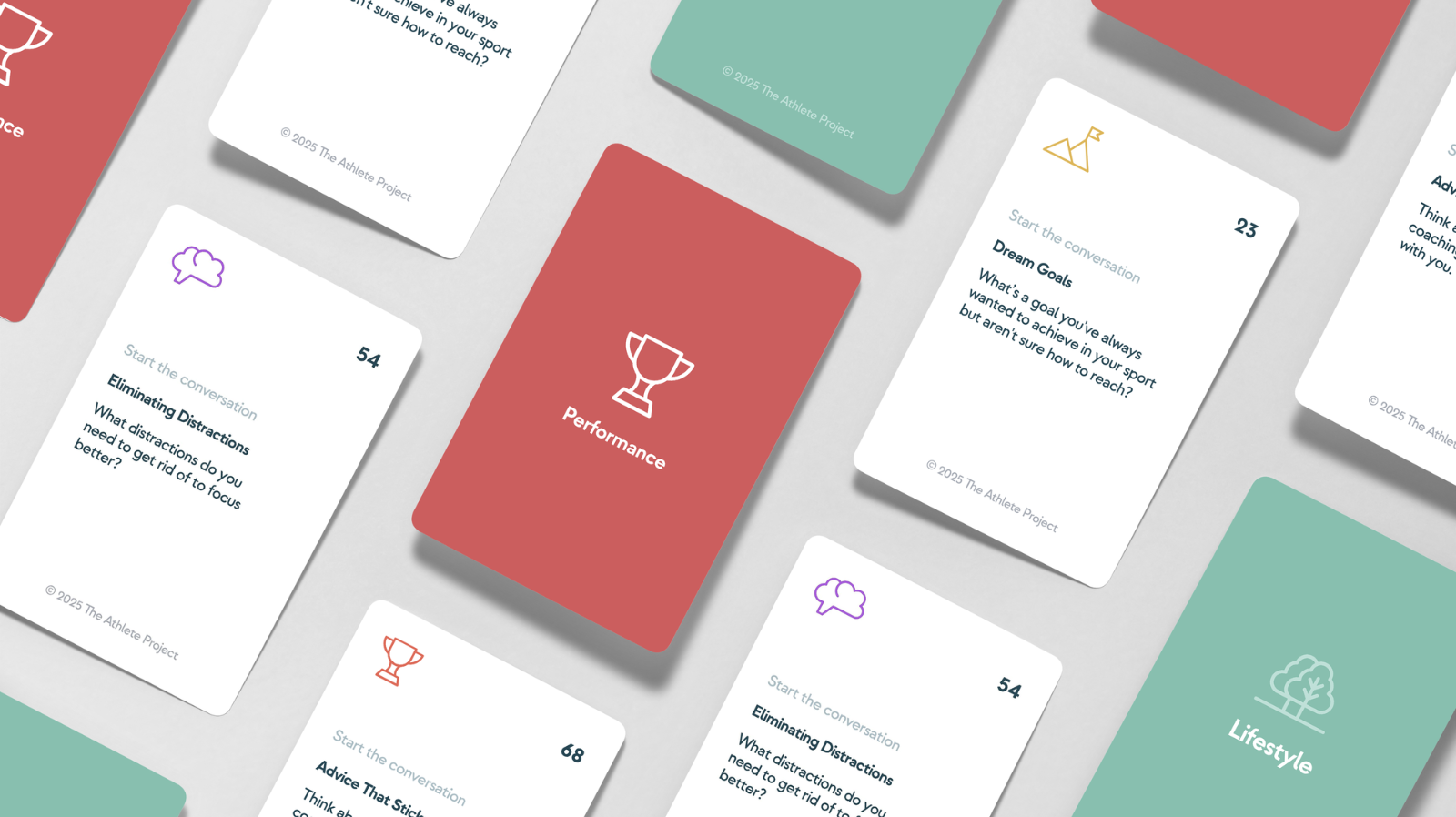
Communication is one of the six categories at the heart of the SportMinds conversation card deck because we believe that helping young athletes find their voice, express themselves honestly and engage in genuine dialogue with their coaches is just as important as any physical development.
The cards don't replace the conversation. They start it.
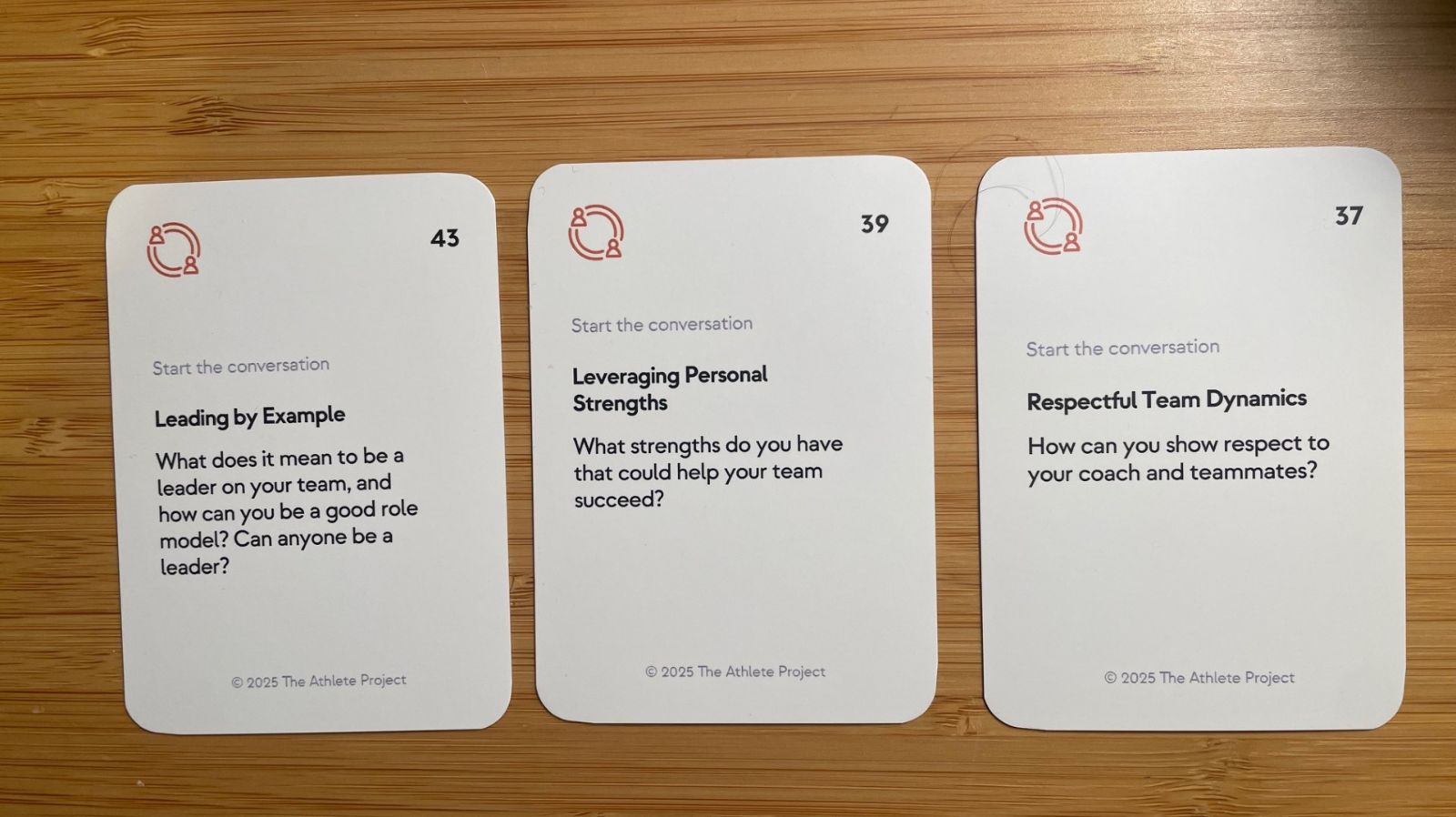
"Have you ever wanted to say something important but felt too scared to speak up?""How do you make your teammates feel heard and understood?""What techniques help you stay calm and clear when communicating under pressure?"
These are questions coaches rarely get to ask not because they don't want to, but because they don't always know how to open the door.
SportMinds opens the door.